Safety
Basic safety equipment
Standard equipment such as cones, straps and basic PPE (where applicable) are part of our safety expectations for operating teams.
 PTSMS Logistics
Our fleet is planned around real operating conditions — weight limits, cut-off times, delivery slots and customer standards — not just vehicle count.
PTSMS operates a mix of 20ft and 40ft container trucks, supported by reefer units and additional equipment. Each lane and asset is matched to the cargo profile, receiving constraints and customer SLAs.
Vehicles are assigned around lane density, cut-off times and unloading conditions — not on a “first come, first serve” basis.
Planned maintenance and checks reduce unplanned downtime and support stable, repeatable service levels.
TMS-linked updates and GPS tracking (pilot) allow tighter coordination on loading, transit and receiving.
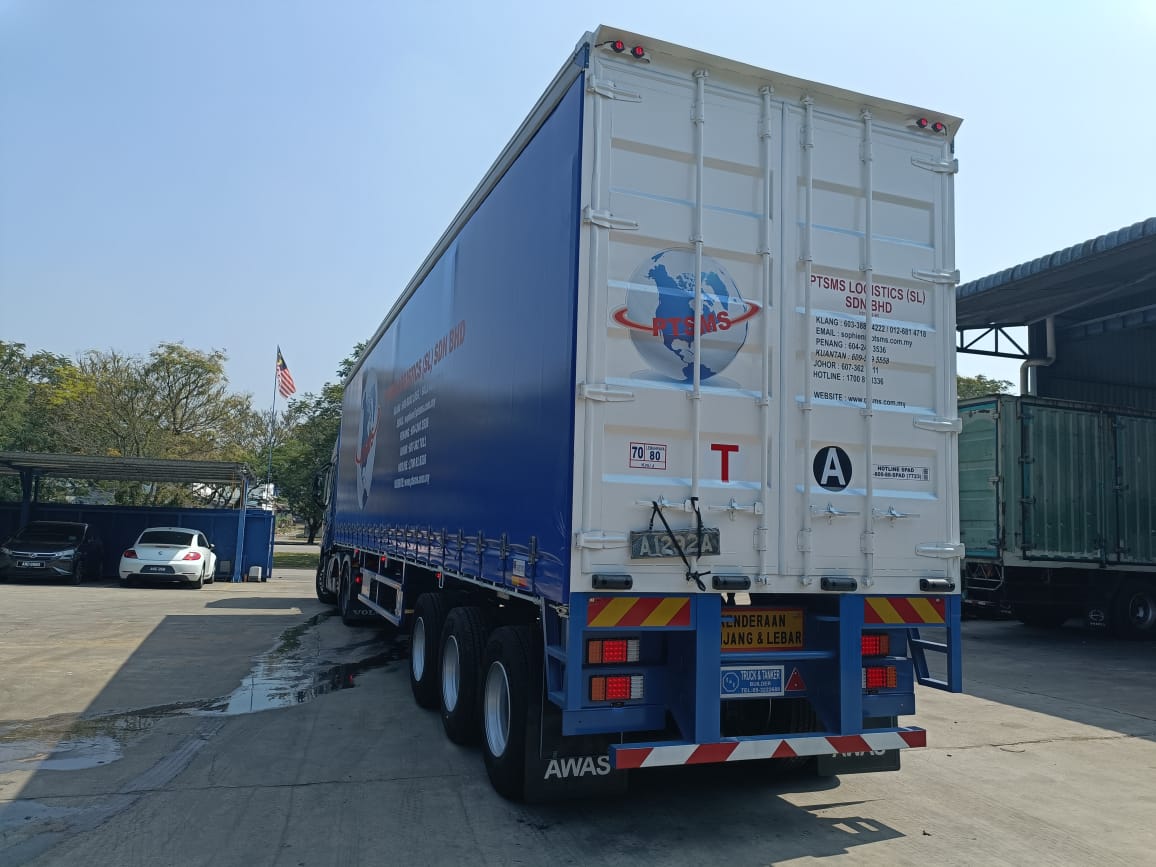
Used mainly for FCL movements and high-volume programs, our 40ft units are deployed on trunk routes where stability, safety and on-time arrival matter more than squeezing every last pallet.
| Typical usage | Factory-to-DC, port-to-DC, DC-to-DC movements. |
| Load profile | Palletised, cartonised or mixed loads, depending on customer SOP. |
| Safety & compliance | Standard checks on tyres, brakes, lights and lashing before departure. |
| Operating view | Planned against fixed windows and cut-off times to reduce last-minute reshuffling. |
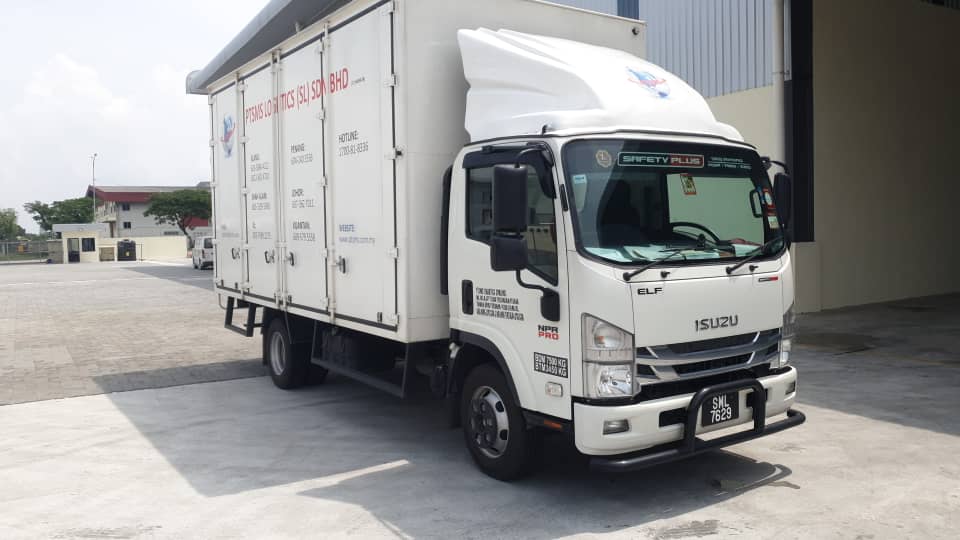
20ft units are used when the priority is access and flexibility — smaller sites, tighter compounds and variable load sizes, including LCL and mixed cargo.
| Typical usage | Store deliveries, smaller warehouse compounds, multi-drop flows. |
| Load profile | Mixed pallets, cartons and promotional goods depending on routing. |
| Routing style | Planned for combinations of volume, time-window commitments and receiving capacity. |
| Planning approach | More dynamic — used to smooth peaks and balance between lanes. |
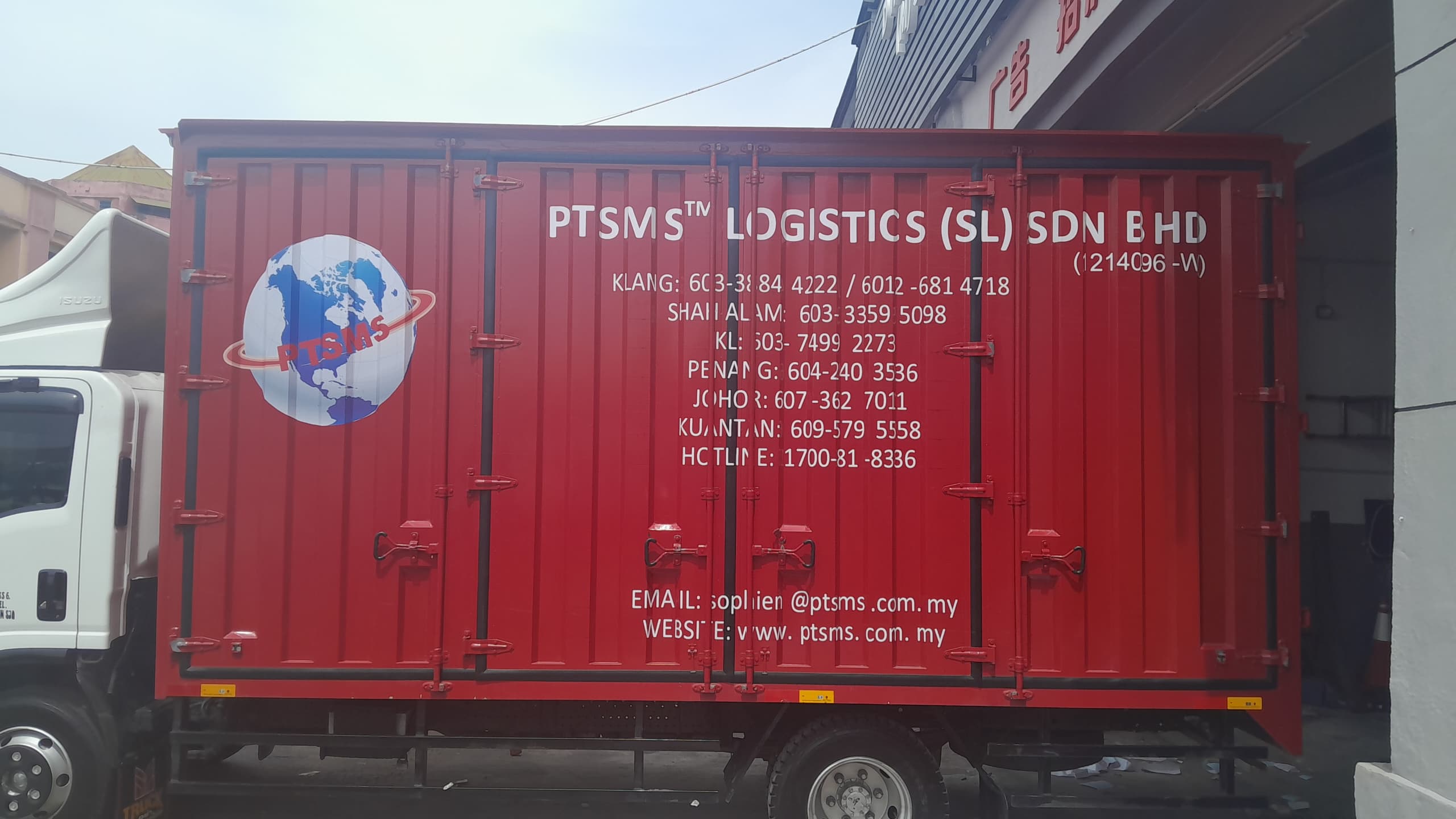
For temperature-controlled movements, our reefer units are managed with clear pre-trip checks, monitoring routines and escalation paths for exceptions.
| Temperature control | Set points recorded before departure; monitoring approach evolving with system upgrades. |
| Product types | Food, temperature-sensitive goods and selected high-value cargo where required. |
| Risk management | Defined steps for temperature alarms, delay risks and alternate plans where possible. |
A fleet is more than trucks. How we equip, track and maintain those assets determines the level of reliability you experience day to day.
Standard equipment such as cones, straps and basic PPE (where applicable) are part of our safety expectations for operating teams.
Vehicles follow scheduled maintenance, with checks focused on brakes, tyres and key safety-critical components.
Movements are increasingly coordinated through our internal TMS and WMS, improving traceability from loading to POD.
We are progressively piloting more granular GPS tracking and performance dashboards for internal planning and partner visibility.